

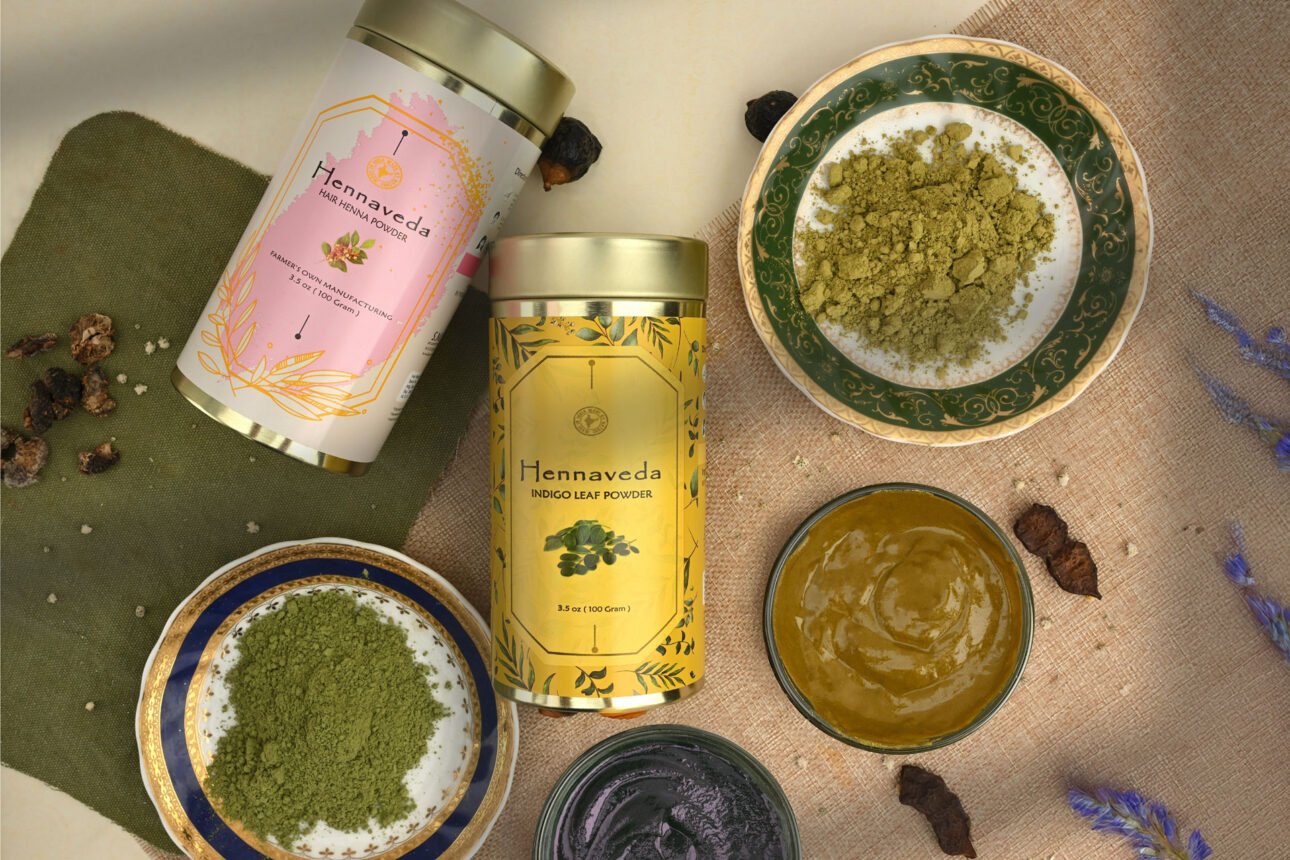
Indigo Powder for Hair: Benefits, Drawbacks and Why It Is a Natural Alternative to Chemical Hair Dyes
In today’s world, more people are becoming conscious of the ingredients they use on their hair and skin. Conventional hair dyes offer quick and long-lasting colour, but concerns about certain chemical ingredients, scalp sensitivity and repeated exposure have encouraged people to explore plant-based alternatives.
One such traditional alternative is Indigo Powder, obtained from the leaves of the Indigofera tinctoria plant.
Used for generations in traditional hair colouring practices, natural indigo is becoming increasingly popular among people who want darker hair shades through plant-based colouring. When used alongside natural henna, indigo can produce beautiful brown to deep black shades without relying on conventional oxidative hair dye ingredients.
Let’s understand its benefits, limitations and how to use it comfortably.
What Is Indigo Powder?
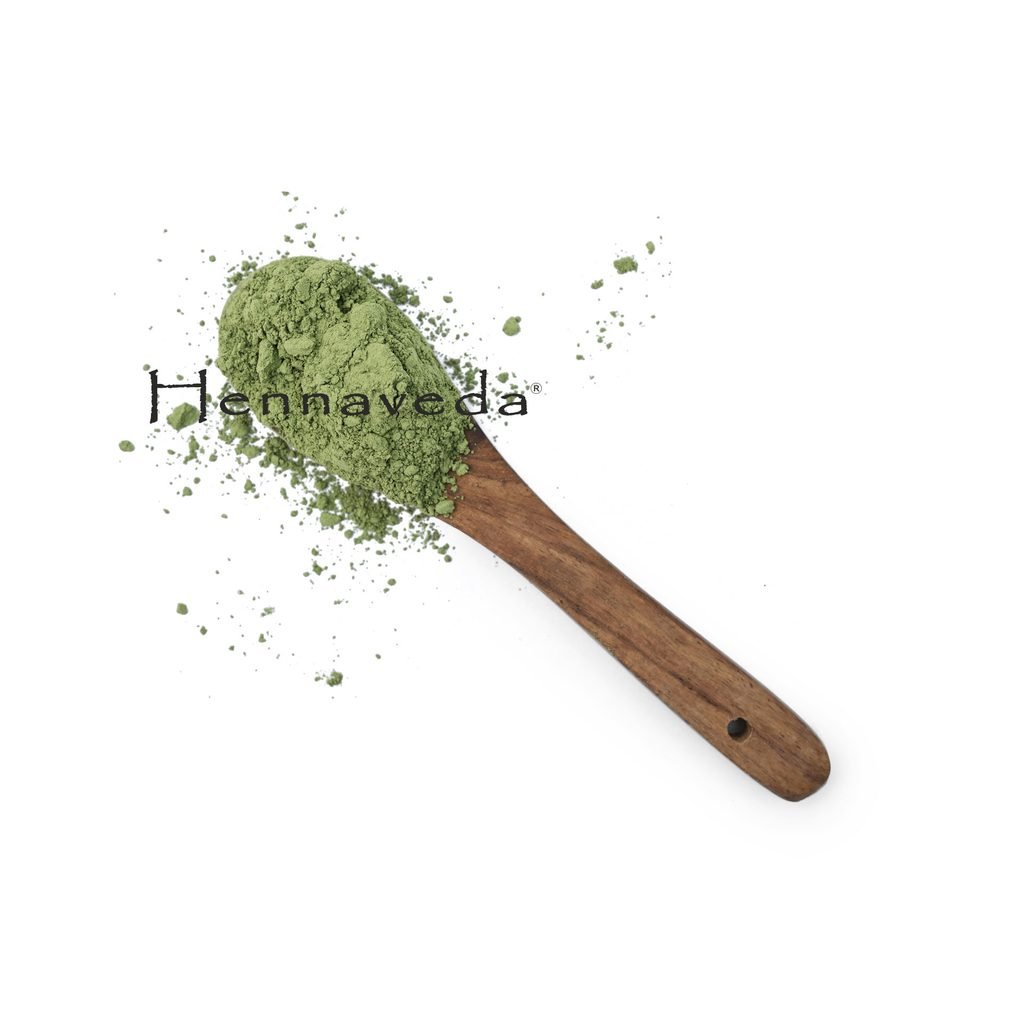
Indigo powder is made from the processed and finely ground leaves of the indigo plant (Indigofera tinctoria).
The leaves contain natural blue colouring compounds that have traditionally been used for dyeing textiles and colouring hair.
Unlike conventional permanent hair dyes, which generally use chemical reactions to alter hair colour, pure indigo works as a plant-derived colourant that deposits colour onto the hair.
Indigo is commonly used in two ways:
- Used alone: It can impart blue or bluish tones to hair, depending on the hair’s original colour.
- Used with henna: When applied after henna in a two-step process, it can produce brown, dark brown and black shades.
The combination of henna and indigo is particularly popular among people who prefer natural hair colouring.
7 Major Benefits of Indigo Powder for Hair
1. A Plant-Based Alternative to Conventional Hair Dyes
One of the biggest advantages of pure indigo powder is that it offers a plant-based approach to hair colouring.
Many conventional permanent hair dyes use ingredients such as PPD (p-phenylenediamine), peroxide and other colouring agents to achieve their results.
Pure indigo powder provides an alternative for people who wish to avoid these particular ingredients, provided they choose a genuinely pure product without added synthetic dyes.
2. Helps Achieve Natural Brown and Black Hair Shades
Indigo is especially useful when combined with natural henna.
Henna generally produces orange, copper or reddish-brown tones, while indigo contributes blue tones. Together, they can create a range of darker shades.
Depending on the original hair colour, application method and proportions, the combination can produce:
- Light to medium brown
- Dark brown
- Deep brown
- Natural-looking black
The two-step henna and indigo method is particularly useful for covering grey hair with darker plant-based shades.
3. No Need for Conventional Oxidative Colouring Chemistry
Unlike many conventional permanent hair dyes, pure indigo powder does not require hydrogen peroxide or an oxidative developer to release its natural colouring properties.
It is therefore an option for individuals who want to move away from conventional oxidative hair colouring systems.
4. Suitable for Regular Root-Touch-Up Routines
Hair colour naturally changes as new hair grows. With plant-based colouring, users can apply henna and indigo to newly grown roots as required.
This makes it possible to maintain a consistent hair colour without necessarily recolouring the entire length every time.
Always follow appropriate application instructions and check for sensitivity before each new use.
5. No Ammonia or Added Synthetic Fragrance in Pure Indigo Powder
Genuine, unadulterated indigo powder does not need ammonia, artificial fragrance or synthetic colour developers to perform its colouring function.
This makes it an attractive choice for consumers who prefer simple plant-based formulations.
Remember to check the ingredient declaration, as not every product marketed as herbal or natural is necessarily made from pure indigo.
6. Supports a More Traditional Approach to Hair Colouring
Henna and indigo have a long history of use in traditional hair-colouring practices.
Using these plant powders allows consumers to continue a traditional method of hair colouring while making more conscious choices about the ingredients they apply to their hair.
7. A Choice for People Looking to Reduce Dependence on Chemical Hair Dyes
For people who colour their hair frequently, switching to pure henna and indigo can be a practical way to reduce dependence on conventional permanent hair dye formulations.
However, plant-based colouring is not suitable for everyone, and individual tolerance should always be considered.
How to Use Indigo Powder for Natural Hair Colouring
For achieving darker shades, the two-step henna and indigo method is widely used.
Step 1: Apply Natural Henna
Prepare pure henna powder with water to form a smooth paste. Allow it to release its colour according to the product instructions.
Apply evenly to clean hair and leave for the recommended duration. Rinse thoroughly.
Step 2: Apply Indigo Powder
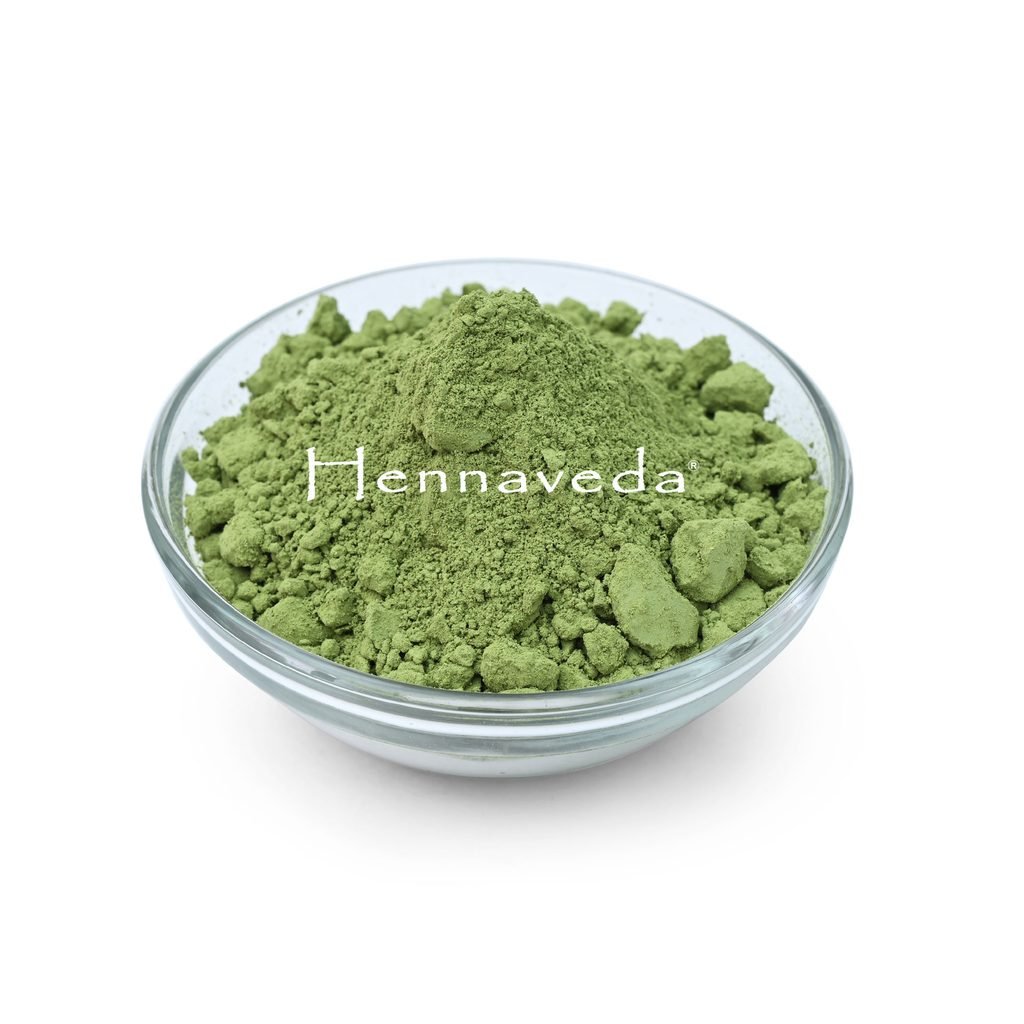
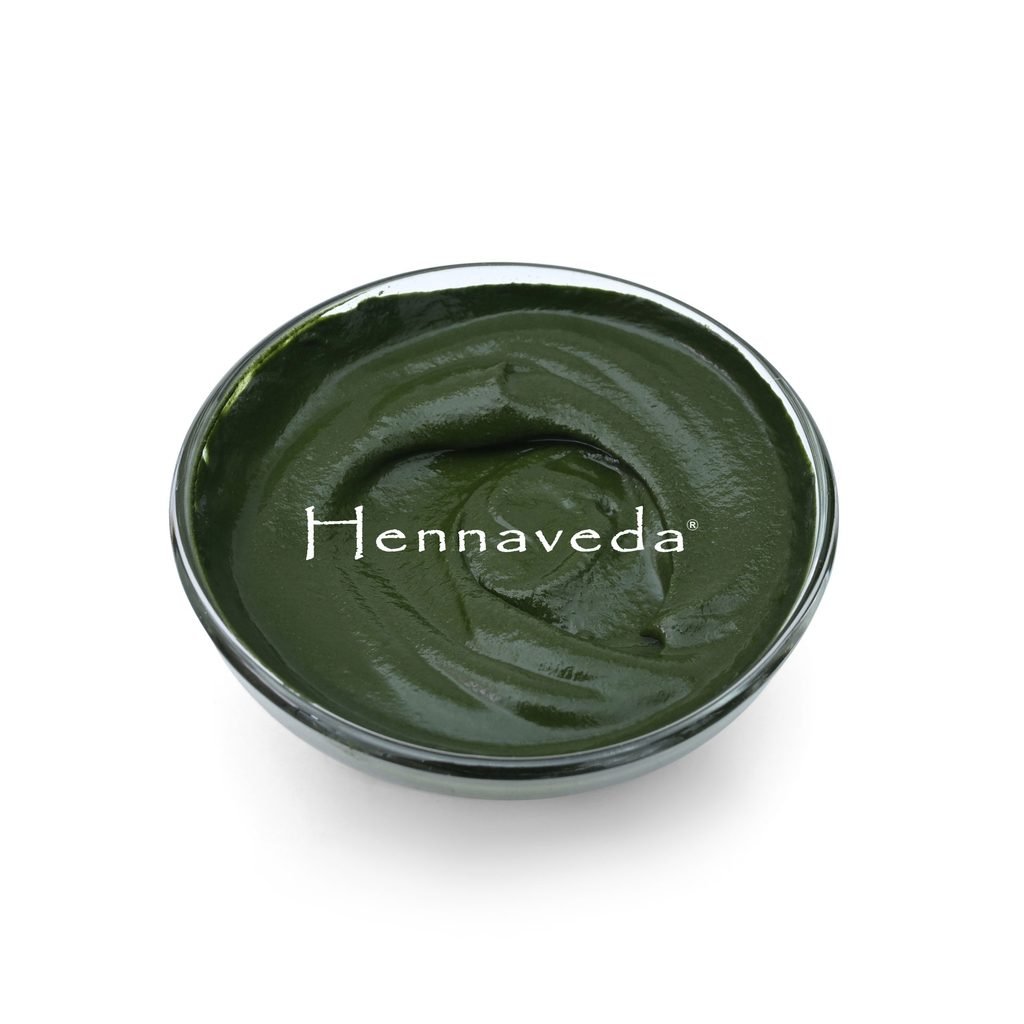
Mix pure indigo powder with lukewarm water to form a smooth, lump-free paste.
Apply the mixture immediately to the hair, ensuring even coverage from roots to ends.
Leave it on according to the desired shade and product instructions, then rinse thoroughly with water.
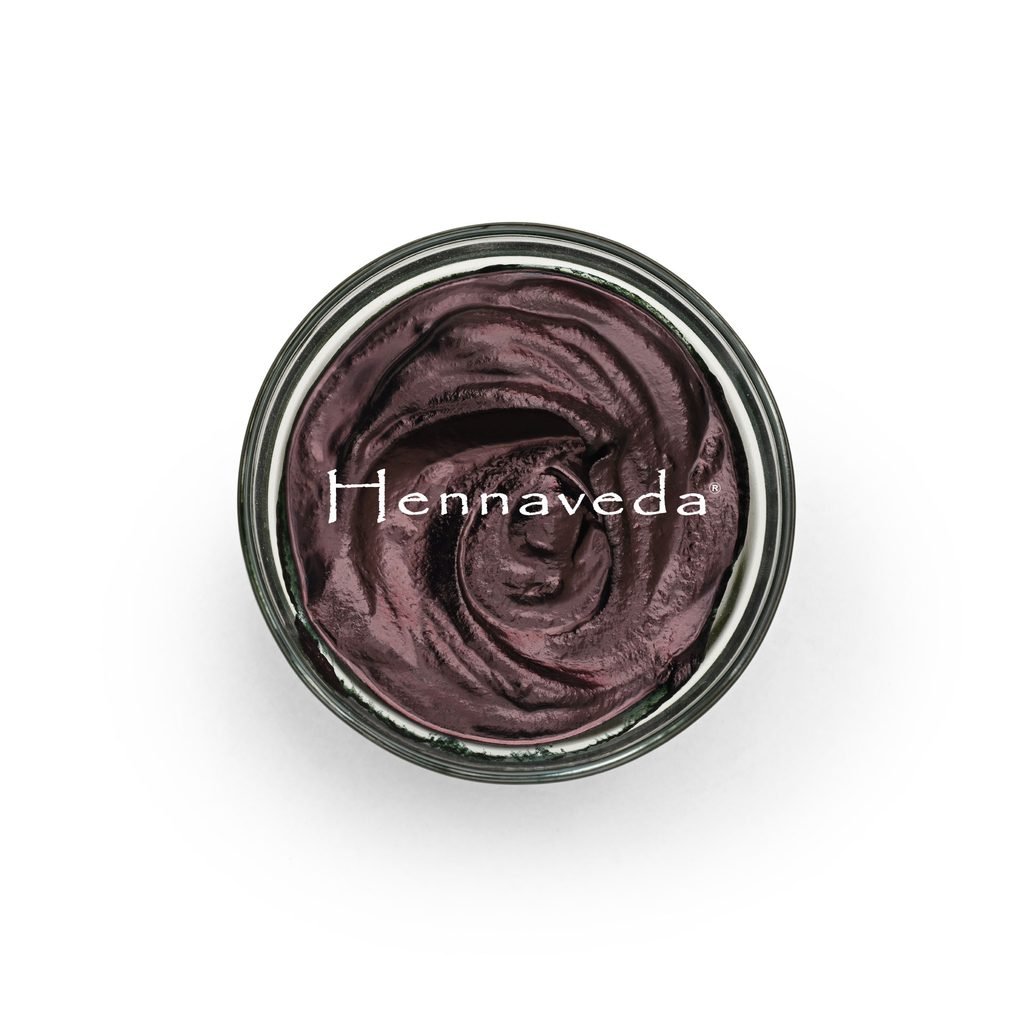
The final colour develops over the following 24–48 hours.
Important: The final shade depends on the original hair colour, percentage of grey hair, henna application, indigo proportions and processing time. Always perform a strand test before colouring the entire head.
Drawbacks of Indigo Powder: What Should You Know?
Although indigo powder offers several advantages, it is important to understand its limitations before switching from conventional hair dyes.
1. Some People May Experience Headaches
One concern occasionally reported by users of indigo powder is a headache during or after application.
This does not mean that indigo necessarily causes headaches in everyone. The exact reason for such symptoms is not well established.
Possible contributing factors may include:
- Sensitivity to the smell of the freshly prepared paste.
- Inhaling fine powder particles while mixing.
- Individual sensitivity or intolerance to the product.
- Other factors associated with the application environment.
How can you reduce the chances of discomfort?
Here are some practical precautions:
- Prepare the paste in a well-ventilated room.
- Avoid inhaling powder while opening, pouring or mixing it.
- Use a suitable mask while handling loose powder if dust is generated.
- Avoid adding strong-smelling essential oils, perfumes or other unnecessary ingredients.
- Use clean utensils and a good-quality, properly stored product.
- Do not keep the paste on longer than the recommended application time.
If you experience a headache during application, stop using the product, rinse it off and move to fresh air. If headaches repeatedly occur after using indigo, discontinue its use and consult a healthcare professional rather than trying to overcome the reaction by changing the application method.
Severe or persistent headaches, breathing difficulty, dizziness, facial swelling or other significant symptoms require prompt medical attention.
2. Requires More Time Than Conventional Hair Dyes
Unlike many ready-to-use chemical hair dyes, natural henna and indigo colouring can require preparation and a two-step application process.
However, many people consider this additional time worthwhile when choosing a plant-based colouring routine.
3. Results May Differ from Person to Person
Natural hair colouring is influenced by several factors, including:
- Original hair colour.
- Percentage of grey hair.
- Hair texture and porosity.
- Quality and freshness of the powder.
- Henna-to-indigo application method.
Therefore, achieving exactly the same shade every time may require some experimentation and a strand test.
4. It Does Not Lighten Hair
Indigo is a depositing plant colourant, not a bleaching agent.
It cannot lighten naturally dark hair or produce blonde, golden or highlighted shades. Its primary application is for achieving darker tones.
5. Natural Does Not Mean Completely Allergy-Free
Although indigo is plant-derived, individual skin sensitivity is still possible.
Some people may experience irritation or allergic contact dermatitis from natural indigo.
Always perform a patch test as directed by the product manufacturer before use. A negative patch test does not guarantee that a reaction cannot occur.
Avoid using the product on an irritated, damaged or broken scalp.
Indigo Powder vs Conventional Chemical Hair Dye
| Feature | Pure Indigo Powder | Conventional Permanent Hair Dye |
|---|---|---|
| Source | Plant-derived | Generally synthetic colouring ingredients |
| PPD | Not inherently present | Present in many formulations |
| Ammonia | Not inherently present | Present in some formulations |
| Peroxide developer | Not required | Commonly used |
| Colouring method | Plant-derived colour deposition | Chemical oxidation and colour formation |
| Shade options | Mainly darker shades with henna | Wide range of shades |
| Preparation | Requires mixing | Often ready-to-mix |
| Lightening hair | No | Possible with suitable formulations |
The important distinction is that pure indigo offers a different approach to colouring hair. It is not a universal replacement for every shade or colouring requirement, but it can be an excellent option for people seeking natural darker shades.
How to Choose Good-Quality Indigo Powder
The quality of indigo powder plays an important role in the colouring experience.
Before purchasing, consider the following:
- Choose genuine Indigofera tinctoria leaf powder.
- Check that the product contains no undisclosed synthetic colouring agents.
- Look for a reliable manufacturer with proper quality-control practices.
- Check manufacturing and expiry dates.
- Prefer hygienically processed and properly packed powder.
- Avoid products with unclear ingredient declarations or exaggerated claims.
Purity, processing and storage are important considerations when selecting any plant-based hair colourant.
Why Choose Natural Hair Colouring with Hennaveda?
At Hennaveda, we believe in bringing traditional plant-based ingredients closer to modern consumers.
Our approach is rooted in the understanding that nature offers valuable resources for personal care. By focusing on plant-based ingredients such as henna and indigo, we encourage consumers to explore alternatives to conventional chemical hair colouring products.
For those looking to move towards a more conscious hair-colouring routine, pure indigo powder, especially when used with natural henna, offers an interesting traditional alternative.
Choosing natural hair colouring is not just about changing your hair colour. It is also about understanding the ingredients you use and making informed choices for your personal care routine.
Frequently Asked Questions (FAQs)
1. Can indigo powder be used without henna?
Yes. Indigo can be used alone, but it may impart blue or bluish tones rather than natural-looking brown or black. For darker natural-looking shades, it is commonly used after henna.
2. Does indigo powder help cover grey hair?
Yes. Indigo used after henna can help colour grey hair and produce brown to black shades, depending on the application method and hair characteristics.
3. Can indigo powder cause headaches?
Some users report headaches during or after application, although the exact cause is not established. Avoid inhaling powder, prepare it in a ventilated area and discontinue use if symptoms occur repeatedly.
4. Is indigo powder free from PPD?
Pure, unadulterated Indigofera tinctoria leaf powder is naturally free from added PPD. However, consumers should verify the ingredient declaration and purchase from reliable manufacturers.
5. Does indigo powder damage hair?
Pure indigo is a plant-derived colourant and does not require the peroxide-based oxidation process used by many permanent hair dyes. Individual hair experiences can differ, and sensitivity or irritation is possible.
6. How long does indigo hair colour last?
Colour retention varies depending on hair type, washing frequency, application method and product quality. Regular root touch-ups may be needed as new hair grows.
7. Can indigo powder turn hair black naturally?
Yes. When used after henna in the two-step method, indigo can produce deep brown to black shades depending on the original hair colour and application conditions.
Final Thoughts
Indigo powder is a valuable plant-based option for people who want to explore alternatives to conventional chemical hair dyes. Its ability to produce darker shades, particularly when combined with henna, makes it a popular choice for traditional hair colouring.
While it has certain limitations, such as longer application time and the possibility of individual sensitivity, its plant-derived colouring properties make it worth considering for consumers looking for a different approach to hair colour.
Choose ingredients wisely. Understand your hair. Embrace the goodness of nature with Hennaveda.


